
Corporate Event ROI: A Practical Measurement Guide for Dubai
Events · May 18, 2023
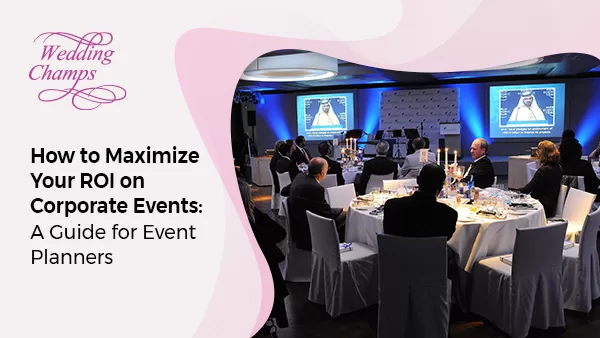
Corporate event ROI is easier to improve when it is defined before the venue, programme and production are booked. A conference built to generate qualified sales conversations needs different metrics from an employee event, product launch or partner summit.
This guide is for marketing, HR, sales and event teams that need a defensible way to connect an event with business value.
What does corporate event ROI mean?
A simple financial formula is:
Event ROI (%) = (attributed value − total event cost) ÷ total event cost × 100
If an event costs AED 200,000 and the organisation can reasonably attribute AED 260,000 in contribution value to it, the calculated ROI is 30%.
The difficult part is not the formula. It is agreeing what counts as value, what belongs in the cost and how attribution will work.
Do not use total pipeline as if it were realised revenue. Record pipeline, closed revenue and contribution value separately.
Step 1: Define one primary business objective
Write the result as a measurable statement. Examples include:
- Generate qualified meetings with target accounts.
- Progress existing opportunities.
- Launch a product to customers or media.
- Train partners or employees.
- Improve employee participation or retention indicators.
- Build relationships with a defined stakeholder group.
Choose one primary objective and a small number of supporting measures. A long list of unrelated KPIs makes the final report difficult to interpret.
Step 2: Set the measurement plan before registration opens
Record the baseline, target, data source, owner and reporting date for every KPI.
| Objective | Useful measures | Evidence source |
|---|---|---|
| Lead generation | Target-account registrations, qualified meetings, accepted leads | CRM and registration data |
| Sales progression | Opportunities influenced, stage movement, closed contribution | CRM with agreed attribution |
| Product launch | Qualified demos, trials, adoption or sales follow-up | Product analytics and CRM |
| Partner event | Meetings, agreed actions, partner-sourced opportunities | Partner and CRM records |
| Employee event | Attendance, completion, knowledge change, follow-up actions | HR or learning systems |
| Brand/media event | Relevant attendance, approved coverage, direct traffic and branded demand | Media log and analytics |
Decide how attendee consent, badge scans and follow-up information will be collected. Do not gather data without a clear business use and access policy.
Step 3: Calculate the complete cost
Include more than the venue invoice:
- Venue, catering and accommodation.
- Production, stage, sound, lighting and internet.
- Speakers, entertainment and content.
- Design, registration technology and marketing.
- Travel, transport, visas and hospitality.
- Permits, security, insurance and staffing.
- Internal planning time.
- Agency or event-management fees.
- Post-event editing, follow-up and reporting.
Separate fixed and per-person costs. This helps the team understand the effect of attendance changes.
Step 4: Design the event around the objective
If the goal is sales conversations, protect time and space for meetings. If the goal is learning, design the agenda around application and follow-up—not only stage content. If the goal is employee connection, accessibility and participation matter more than a large visual production.
The venue should support the objective through layout, transport, technology, privacy, accessibility and service flow. Browse Dubai’s official business-event venue directory as a starting point, then request current written proposals.
Step 5: Plan Dubai approvals and supplier responsibility
Dubai’s Department of Economy and Tourism states that an event permit is required for business events as well as entertainment, sport, charity and religious events. Confirm whether the venue, organiser or client submits each approval and allow it in the timeline.
Read the official Dubai event-permit guidance. Requirements can differ by event format, venue and activity, so use the current authority and venue instructions.
Step 6: Track meaningful engagement
Registrations and attendance are useful operating metrics, but they are not automatically business outcomes.
Stronger indicators may include:
- Attendance from named target accounts.
- Completed meetings with agreed next actions.
- Session participation linked to the objective.
- Demonstration or trial requests.
- Content downloads by qualified attendees.
- Follow-up acceptance.
- Opportunities created or advanced after the event.
Use a consistent attendee identifier across registration, event technology and CRM systems where consent and company policy allow.
Step 7: Use a defined attribution model
Agree the model before the results are known. Options include:
- Event-sourced: the event created the first qualified opportunity.
- Event-influenced: the attendee already had an active opportunity and the event contributed to progress.
- Meeting-based: value is assigned only when a recorded meeting and next action meet agreed criteria.
- Survey or matched-control analysis: useful for training, employee or brand outcomes when revenue is not the main objective.
State the attribution window and assumptions in the report. Avoid claiming the full value of every opportunity touched by an attendee.
Step 8: Follow up while the context is clear
Assign every important conversation to an owner. The follow-up record should include the attendee, consent status, topic, next action and due date.
Segment communication by what the person requested. Sending the same sales email to every attendee can damage the relationships the event was built to create.
Step 9: Report outcomes in stages
Use three reporting points:
- Immediate: attendance, delivery, incidents and direct feedback.
- Short term: meetings, accepted leads, content use and agreed actions.
- Commercial window: opportunity movement, contribution and final ROI using the chosen attribution method.
Keep operational lessons separate from the financial result so both can be acted on.
How to improve ROI without reducing quality
- Remove programme elements that do not support the primary objective.
- Negotiate using the full scope rather than isolated supplier prices.
- Reuse modular production and content where appropriate.
- Shorten queues and transfers that reduce meeting or programme time.
- Give speakers and sponsors clearer briefs.
- Build follow-up ownership into the event plan.
- Compare cost per qualified outcome, not only cost per attendee.
How this page fits the corporate-event content
This page explains measurement and improvement. For selecting a local delivery partner, use the Dubai destination management company guide. For planning services, read corporate event planning in Dubai.
Need help turning an event objective into a venue, supplier and measurement brief? Send Wedding Champs your corporate event requirements.

Let's plan your destination wedding
Share a few details and a dedicated planner replies within 24 hours with venues, ideas and honest pricing. No pressure, no obligation.